The Complete Guide to Skin Barrier Science
Your skin barrier is a remarkable biological structure that deserves understanding and care.
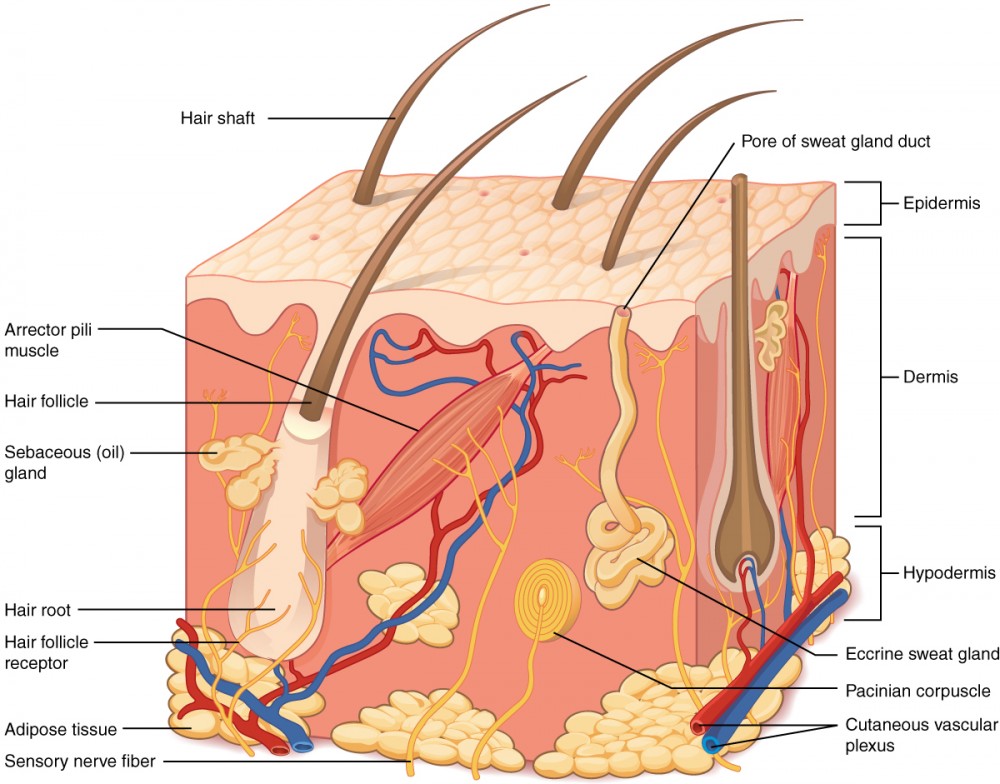
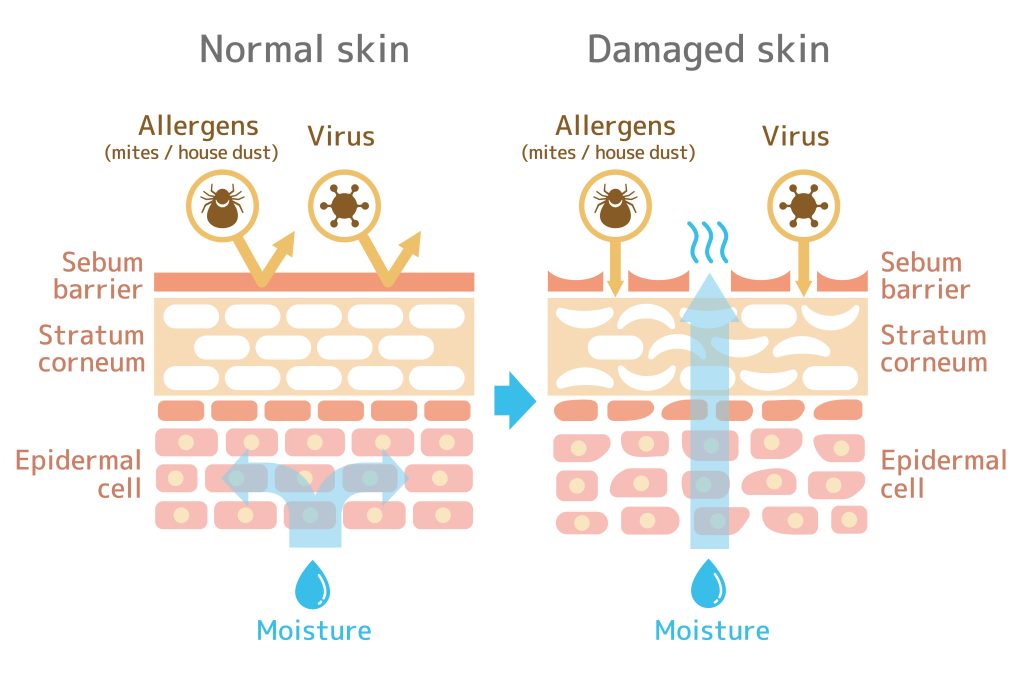
The stratum corneum, often called the "brick and mortar" structure, forms the outermost part of the epidermis and serves as the primary barrier to water loss and environmental insults. The "bricks" in this analogy are corneocytes, flat, dead skin cells filled with keratin, while the "mortar" consists of lipids that create a waterproof seal between these cells. This elegant structure evolved over millions of years to protect terrestrial organisms from dehydration and environmental dangers, making it one of the most important evolutionary developments in human biology.
Ceramides, cholesterol, and free fatty acids are the three essential lipid components that maintain barrier integrity. These lipids are arranged in specific ratios within the extracellular spaces of the stratum corneum, creating a semi-permeable membrane that allows water to pass through while preventing the entry of foreign substances. Disruption of this lipid barrier, whether through excessive cleansing, environmental factors, or genetic predisposition, can lead to transepidermal water loss and various skin conditions. Understanding this has revolutionized the way we approach skincare, leading to the development of barrier-repair formulations.
The skin's natural moisturizing factors, including amino acids, urea, and lactic acid, work in harmony with the lipid barrier to maintain optimal hydration levels. These hygroscopic molecules attract and retain water from the environment and from deeper layers of the skin, keeping the stratum corneum supple and flexible. When these natural moisturizing factors are depleted, either through aging, environmental exposure, or improper skincare, the skin becomes rough, flaky, and more prone to irritation. Maintaining these factors through proper skincare is essential for healthy, resilient skin.
The pH of the skin surface plays a crucial role in barrier function and antimicrobial defense. The slightly acidic environment, maintained by the "acid mantle," helps inhibit the growth of pathogenic bacteria and fungi while supporting the beneficial microbiome. Alkaline substances, such as harsh soaps, can disrupt this pH balance and compromise barrier function. Modern skincare science emphasizes the importance of using pH-balanced products that support rather than disrupt the skin's natural acidity, leading to healthier skin in the long term.
The skin microbiome has emerged as a critical area of research in recent years, revealing that the billions of bacteria living on our skin play essential roles in maintaining skin health. These microorganisms compete with pathogens for resources, train our immune systems to respond appropriately to threats, and even produce antimicrobial substances that protect against infection. Disrupting this delicate ecosystem through overuse of antibiotics, harsh skincare products, or excessive sanitization can lead to dysbiosis and increased susceptibility to skin conditions. Supporting a diverse, healthy microbiome through gentle skincare and probiotics represents the frontier of skin health optimization.
Epidermal Renewal
Skin cells turn over every 28 days, constantly regenerating to maintain barrier integrity and healthy appearance.
UV Protection
Melanin produced by melanocytes provides natural protection against ultraviolet radiation, though additional protection is recommended.
Temperature Regulation
Through sweating and blood vessel dilation, your skin helps maintain optimal body temperature in various environments.